If your Bartlett home feels a little lived-in, a little busy, or a little dated, you are not alone. Most homes in 60103 are not brand-new builds. They are established suburban properties that need smart editing more than a full remodel. The good news is that thoughtful staging can help buyers picture daily life in your home, highlight what already works, and make your listing look stronger online and in person. Let’s dive in.
Why staging matters in Bartlett
Bartlett’s housing profile gives sellers an important clue. The area is largely owner-occupied, with most homes in one-unit structures and a median year built of 1992. That means many sellers are preparing homes that have been well-used and well-loved, not vacant new construction.
In this kind of market, buyers often respond best to homes that feel polished, functional, and move-in ready. They are not just looking at finishes. They are also imagining their routines, storage, work-from-home setup, and how the space flows from one room to the next.
That is where staging earns its value. According to the National Association of Realtors’ 2025 Profile of Home Staging, 83% of buyers’ agents said staging made it easier for buyers to visualize a property as their future home. The same report found that 49% of sellers’ agents saw staging reduce time on market, and 29% reported a 1% to 10% increase in the dollar value offered when sellers staged their homes.
Think design-forward, not over-designed
A design-forward approach does not mean filling your home with trendy décor. It means making each room feel calm, intentional, and easy to understand. In Bartlett, that usually works better than trying to make an older home feel like a brand-new model home.
The goal is to show light, flow, and function. Buyers should notice the size of the room, the natural light, and how the layout lives day to day. They should not be distracted by too many colors, too much furniture, or surfaces crowded with personal items.
NAR guidance for listing photos also supports this approach. Rooms tend to photograph better when they are visually unified, when furniture is edited down, and when styling is simple enough to let the space itself stand out.
Start with the rooms buyers notice most
Not every room needs the same level of attention. If you want the best return on your effort, focus first on the spaces buyers consistently care about most.
NAR’s 2025 staging research ranked these rooms highest for buyers:
- Living room
- Primary bedroom
- Kitchen
The most commonly staged rooms were also the living room, primary bedroom, dining room, and kitchen. If your budget or time is limited, start there.
Stage the living room for flow
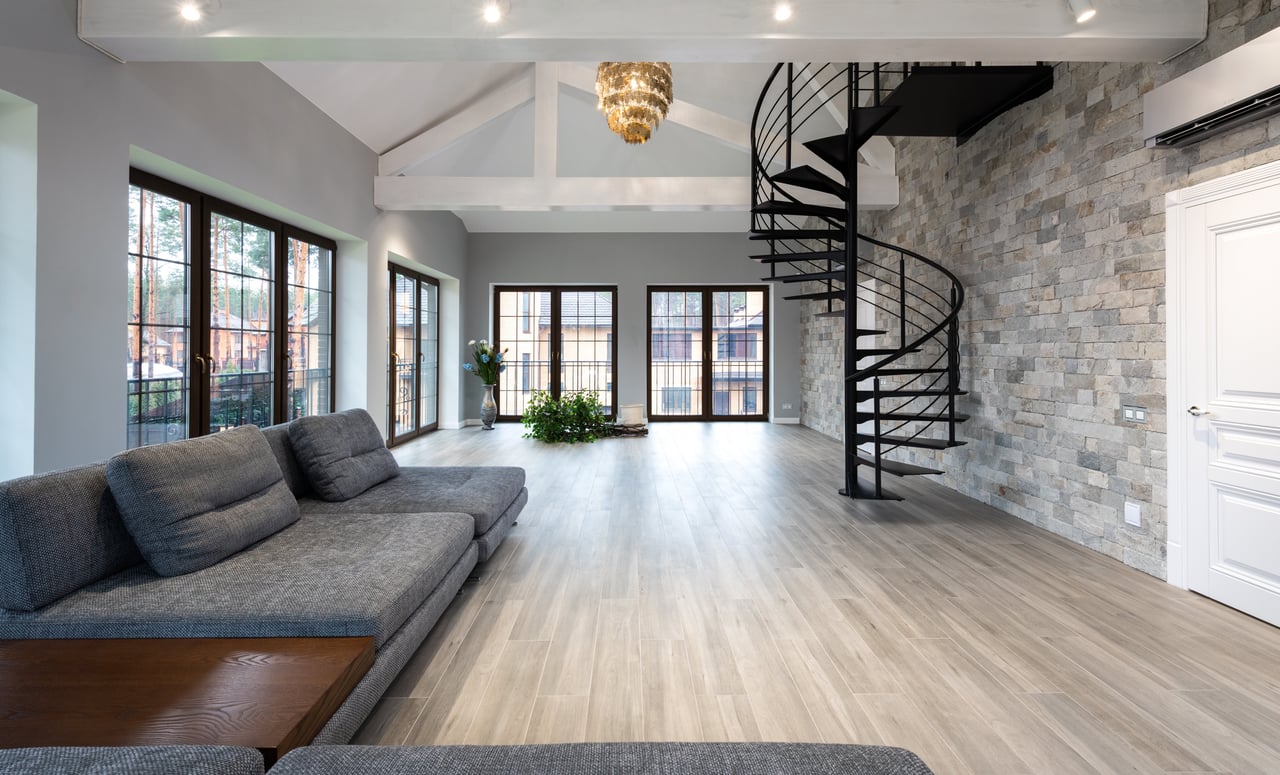
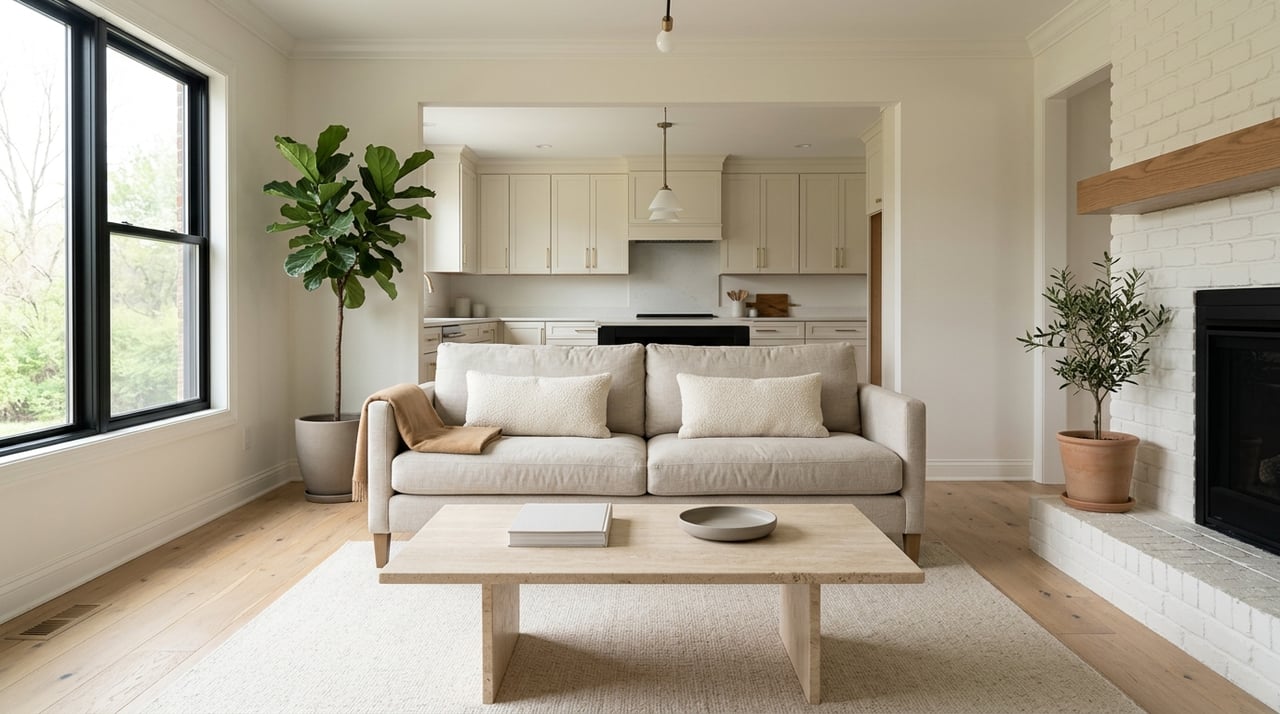
The living room often sets the tone for the whole home. In many Bartlett homes, this room is where everyday comfort meets the first major impression. It should feel open, bright, and easy to walk through.
Pull back extra chairs, side tables, or oversized sectionals if they make the room feel tight. Arrange seating so the space reads clearly from the doorway. A balanced layout, a calm color palette, and a few intentional accessories can make the room feel finished without feeling fussy.
Keep the primary bedroom calm
The primary bedroom should feel restful and spacious. Crisp bedding, wrinkle-free linens, and matching lamps or coordinated nightstands can go a long way.
Remove excess furniture if the room feels crowded. Store away personal items, bold collections, and anything that pulls attention away from the room itself. Buyers tend to connect with bedrooms that feel quiet and easy to settle into.
Edit the kitchen hard
Kitchens matter in every market, and camera-ready kitchens matter even more. Clear the counters, remove refrigerator magnets and paper, and leave only a few useful or decorative items in place.
Deep cleaning is part of staging here. Clean surfaces, polished fixtures, and tidy storage areas help signal care. Even if your kitchen is not newly renovated, it can still show well if it feels fresh, open, and organized.
Make flexible spaces easy to understand
Bartlett’s suburban layout often includes bonus rooms, secondary bedrooms, finished basements, lofts, or flex areas. The Village of Bartlett notes that the community is served by School District U-46, one of the largest in Illinois, which makes flexible room use especially relevant for many buyers comparing suburban homes.
That does not mean you should style spaces for a specific type of household. It means you should make the room’s purpose clear. A spare bedroom can read as a guest room. A loft can read as a tidy office. A finished corner of a basement can read as a reading area or workout zone.
When a room has no clear function, buyers may focus on its limits. When it has a simple, believable purpose, buyers can more easily imagine how they would use it.
Improve the first impression outside
Your front entry matters more than many sellers expect. Bartlett is a commuter-friendly suburb with Metra access downtown and major highway connections, so buyers often arrive with a practical mindset. They are noticing the home’s exterior, the ease of arrival, and whether the property feels cared for from the start.
NAR’s front-yard staging guidance recommends treating the front door as a focal point. A fresh coat of paint, updated house numbers, working exterior lighting, potted plants, and trimmed landscaping can sharpen the entry without a major expense.
Keep the porch simple. Too many seasonal items, mixed planters, or mismatched décor can make the front of the home feel visually busy. Clean and coordinated usually wins.
Use light and camera angles to your advantage
Today, many buyers meet your home online before they ever walk through the door. That means staging is not only about showings. It is also about how each room reads in listing photos, videos, and virtual tours.
NAR notes that photo presentation matters a great deal to clients, and that the camera tends to magnify clutter and poor furniture placement. Before photography, open blinds, turn on lamps, and use natural and interior light together to soften shadows.
It also helps to take a few practice photos with your phone. This can reveal what your eye has stopped noticing, like bulky furniture, cluttered corners, distracting wall art, or surfaces with too many objects. If the room looks crowded in a photo, it will likely feel crowded to buyers too.
Follow a smart 6-to-12 month prep plan
If you are planning ahead, you do not need to do everything at once. In fact, a phased plan is often more effective and less stressful.
Here is a practical sequence for Bartlett sellers:
6 to 12 months before listing
- Handle visible repairs
- Touch up paint where needed
- Replace outdated light fixtures or hardware if they stand out
- Refresh the front door and exterior details
- Start editing storage areas, closets, and the garage
2 to 6 months before listing
- Declutter one room at a time
- Remove extra furniture that interrupts flow
- Simplify décor and depersonalize surfaces
- Define flexible spaces clearly
- Build a plan for any low-cost updates that improve presentation
Final weeks before photos and showings
- Deep clean the entire home
- Wash windows and open blinds
- Remove magnets, papers, and countertop overflow
- Add fresh towels and crisp bedding
- Check each room from the doorway and through your phone camera
This kind of pacing fits the reality of most occupied Bartlett homes. It also helps you spend money where buyers are most likely to notice it.
Room-by-room staging checklist
If you want a simple framework, use this checklist before photography and showings.
Exterior and entry
- Sweep walkways and front steps
- Trim landscaping
- Refresh the front door if needed
- Update lighting and house numbers if they look worn
- Keep porch décor minimal and coordinated
Foyer and sightlines
- Remove shoes, coats, bags, and mail
- Keep the first visible spaces open
- Limit furniture or décor that blocks movement
Living room
- Remove extra seating if the room feels tight
- Use a calm, consistent color story
- Style surfaces lightly
- Arrange furniture to support a clear walking path
Kitchen
- Clear counters
- Remove refrigerator clutter
- Deep clean appliances and surfaces
- Leave only a few intentional items out
Primary bedroom
- Use clean, crisp bedding
- Minimize personal items
- Create symmetry where possible
- Store extra furniture if needed
Bathrooms
- Simplify countertops
- Use clean, neat towels
- Put the toilet seat down
- Remove personal care products from view
Secondary bedrooms and flex rooms
- Keep the function obvious
- Avoid heavy themes or crowded storage
- Use modest furniture to show floor space
What not to do
Some sellers hurt their presentation by doing too much. Design-forward staging works best when it feels edited, not decorated to the point of distraction.
Avoid these common mistakes:
- Overfilling rooms with trendy décor
- Mixing too many bold colors or patterns
- Leaving oversized furniture in small spaces
- Ignoring dated but visible maintenance items
- Styling for your taste instead of broad appeal
- Assuming virtual staging can replace physical preparation
Virtual staging can be useful in some vacant or hard-to-furnish rooms, but it is not the main solution. Physical staging and strong photography still do most of the heavy lifting.
Bartlett sellers do not need a full remodel
One of the biggest myths in selling is that you need a major renovation to compete. In Bartlett, that is often not true. Given the area’s established housing stock and owner-occupied homes, selective improvements usually make more sense than a big, expensive overhaul.
The better strategy is to fix what buyers will notice, brighten what feels heavy, and simplify what feels crowded. When your home feels clean, clear, and well cared for, buyers can focus on the layout, the livability, and the potential of the space.
That is often what moves a listing from "nice house" to "this feels like home." If you want practical, design-minded guidance on where to spend, where to skip, and how to prep your Bartlett home for the market, connect with Kari Wilson for a consultation.
FAQs
What staging changes matter most for selling a home in Bartlett?
- The highest-impact changes are usually decluttering, deep cleaning, improving light, editing furniture, and focusing on the living room, primary bedroom, kitchen, and front entry.
How much does home staging typically cost for Bartlett sellers?
- According to NAR’s 2025 staging report, the median cost of a professional staging service was $1,500, while agents who handled staging themselves reported a median cost of $500.
Should Bartlett sellers remodel before listing their home?
- Most sellers do not need a full remodel. In an established market with mostly owner-occupied single-family homes, small visible updates and strong presentation often make more sense than major renovation.
How should Bartlett sellers stage a flex room or extra bedroom?
- Give the room a clear purpose, such as guest room, office, or reading space, and keep the layout simple so buyers can understand how the space functions.
Why do listing photos matter so much when selling in Bartlett?
- Many buyers first see your home online, and staging helps your rooms look brighter, cleaner, and more spacious in photos, videos, and virtual tours.